

A heavy snowstorm rearranges the geography of New York. Corners change shape. Curb lines vanish. The plows arrive first, clearing the streets with a kind of municipal efficiency and pushing the snow outward to the edges, where it gathers along the curb in ridges and barricades that were not there the day before.
Within a day the block has acquired a new topography. Hollows appear where tires have spun and failed. Frozen walls rise where the plows have passed. Pedestrians begin to trace new paths along the sidewalks, stepping around obstacles that did not exist a few hours earlier.
Standing there in the street after the storm, I noticed one formation in particular. A mound of displaced snow along the curb would harden, darken, and settle into something oddly permanent. It acquired mass and personality. It blocked hydrants. It swallowed bumpers. It forced pedestrians into awkward detours.
The thing needed a name. It became the Sideberg.
The Sideberg is the urban cousin of the iceberg. It begins as nothing more than displaced snow but quickly evolves into a structure of surprising durability. In a serious winter it can remain for weeks, compacted by passing traffic and reinforced by successive dustings of snow that seal the whole formation into a single frozen block.
Under the streetlights the fresh snow can look almost sculptural. Give it a day or two. New York soon contributes its own materials. Coffee cups, candy wrappers, cigarette packs, fragments of newspaper, the occasional unidentifiable object, and above all the black residue that seems to seep from every winter gutter slowly embed themselves in the surface.
What remains is no longer snow in any sentimental sense. It becomes something else entirely: the Dirty Sideberg.
The city produces other formations as well. When a parked car finally breaks free from the frozen barricade the plows have built around it, the result is a curious cavity in the drift. The void has the unmistakable look of an archaeological discovery, as though a fossilized sedan has just been excavated from the street.
With a little imagination…this cavity became the Mutton Slot.
Some Sidebergs develop an air of mystery. One in particular, near the corner of my office in Manhattan, began collecting objects that had no clear origin.
I came to think of this one as the Bermuda Sideberg.
The mound seemed to swallow objects and release them again days later as the ice shifted and settled. Half a traffic cone, a glove, the rib of a broken umbrella and the corner of a plastic crate. Watching it over time felt less like observing weather than examining a frozen archive of the block. Each thaw revealed some new artifact as though from a neighborhood excavation dig.
It occurred to me that this small exercise in sidewalk taxonomy had a long human desire for control and order. Scientists name plants and planets. Sailors once named every variation of wind and wave. Mountaineers gave names to ridgelines, crevasses, and passes. Arctic explorers catalogued the varieties of ice with extraordinary precision.
The act is instinctive. Naming is the human habit of imposing order on a world that often feels random and sometimes chaotic.
A snowstorm can paralyze the city. Streets close, schedules collapse, movement slows to a crawl. Yet once the phenomena have been noticed and named, they begin to feel slightly less chaotic. The namer has drawn a small boundary around the event. The storm still exists, but it now contains recognizable features.
The winter geography does not last. A warm week arrives and the Dirty Sidebergs soften—at this point all Sidebergs are Dirty—sag, and ooze slowly into the gutter. The Mutton Slots collapse. The Bermuda Sideberg releases its inventory and dissolves into gray slush that flows toward the drains.
Before long the streets return to their ordinary shape.
Until the next storm arrives.
Then the plows pass again. Snow piles up along the curb. Pedestrians adjust their routes. And the namer standing on the sidewalk recognizes the familiar formation almost immediately.
Another Sideberg.
It began with his years in Black Sabbath, the band he formed in the 1960s, and endured through his solo career. Ozzy’s voice became a rallying cry for generations of misfits and visionaries.
His legacy lives not only in the music he made, but also in the brand he built around his personality and history. Nobody understood branding better than Ozzy. As our colleague Alan Brew says, he created a “compelling truth” around his authenticity and nonconformity.
In 1979, he was axed from Black Sabbath. The reasons were a litany of Ozzy’s behavioral problems: dangerous behavior, LSD use, and cocaine addiction. His first solo record, Blizzard of Ozz, a play on The Wizard of Oz and a nod to his nickname and his love of the “white stuff.” Scandalous as it sounds, he didn’t run from the image; he embraced it as the foundation of his brand.
The Making of the Prince of Darkness
Ozzy crafted his image meticulously. Album covers balanced theatrical, often kitschy satanic scenes with enough restraint to appeal to a broad audience. The music, however, was serious. His first hit, “Crazy Train,” paired blistering guitar solos with Cold War commentary: Maybe it’s not too late / To learn how to love / And forget how to hate.
The quality of the music lent credibility and anchored the Ozzy brand’s value. Every public moment reinforced the mix of performance art and provocation. Whether biting the head off a bat onstage or a dove in a meeting with CBS Records executives, he lived to unsettle the mainstream—always with a mischievous grin. Humble, kind, and a little hapless, he delighted audiences. Beneath the shock, there was a love of history, flashes of introspection, and a streak of humor that came to the fore later in his career. His brand’s appeal paved the way for The Osbournes TV show, where a glimpse into his real life proved even more endearing than the stage persona.
“We have to dare to be ourselves, no matter how frightening or strange that self may prove to be”
Mary Sarton
The Ozzy Brand Becomes Legend
Through the lens of history, it’s clear his brand helped define a genre. Ozzy shrugged off the heavy metal label, preferring to call it rock and roll, but Black Sabbath created the sound – and he carried it into his solo work.
Grounded in authenticity, he stayed true to his roots, his voice, and his style. In dark, heavy rock, there has been only one prince. Everyone else follows the trail he carved through the darkness.
When I used to work with my friend Rick Slusher, he compiled a quote book, based on memorable things people would say throughout the work day. He once told me that 75% of the quotes on the list are from me and my buddy James Moore. Now I’ve heard that some of these statements are a little biting—what can I say, I have my moments. Anyone who has done an interview knows that anything you say can come back to haunt you, as it is always taken out of context for dramatic effect. Having said that, I know I have a big mouth.
So I was tickled pink the other day, when Lindsey pointed out something I said in a meeting, where I was directing the creative team to push their designs further.
“When we are happy with our solutions, our clients are happy. So let’s get happy!”
It is funny when words come out of your mouth and you look at them as an object.

I gotta say, I can stand behind this statement. I think any of us who are driven by quality or searching for the best solution feel this way. Fortunately for us, we live this way, every day. Which leads me to my next thought.
If you are a creative person and can’t make this statement to your team, then you have the wrong clients. If you are a client and don’t feel this way about your agency, then you have the wrong partners.
Monstropolis: A city that grows without regulations, architectural guidance & consideration for the community.
I was riding on the F train looking south over Carroll Gardens at the rooftop additions and recent modifications. The funny thing was, I was marveling at how well done some of them were. In fact, a few enhanced the roofline.
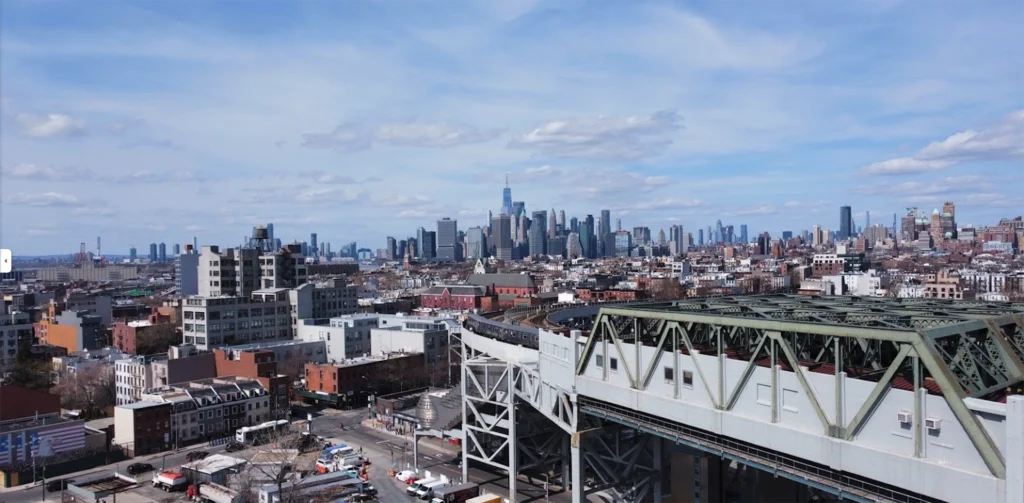
It got me thinking about brand regulations & guidance.
In the world of branding people break the rules for three main reasons:
If you address these issues you create a stronger, living, breathing brand that can actually enhance people’s lives.
So if you hear me say “I’m sorry but your current brand is a Monstropolis” you will know where I’m coming from.
BIG D
P.S. I don’t really say mean things like that to people
When I was growing up in Pittsburgh a must-stop for any visiting guests was a trip to Mount Washington, to look out over the city. If it was a special visit, we would get to ride the incline to the top.
While most folks marveled at the skyline and the natural point formed by the merging of the two rivers, the Monongahela and the Allegheny, to form the mighty Ohio River, my focus was to the north side of the city, in a warehouse district, on the giant Westinghouse signs designed by Paul Rand. I could stare endlessly at this animated loop of logos. I didn’t think of it as an example of brand identity, I saw it more like the incredible film titles I saw in the movie, “It’s a Mad, Mad, Mad World” by Saul Bass. I didn’t fully understand what I was viewing beyond the fact that these functional things brought great joy to my life.
Apparently, it took a state-of-the-art computer to power this display back in the day. All I remember is that it started as a logo, then it made faces, it would look in both directions, wink, whistle, and do all sorts of wonderful things. I think that is one of Paul’s greatest gifts, to see an opportunity for fun and creativity in everything he did. His brands go beyond simply representing an organization, he gave them life.
My father was an industrial photographer in PGH who worked for Alcoa, Koppers, U.S. Steel, Westinghouse, and other global corporations. For me that flashing sign across the river made these worlds seem exciting. Creative people moved a city…yeah the world…through their work.
I eventually went on to study design at Carnegie Mellon but my career truly started on that hill in Pittsburgh, where I would stare at this magnificent manifesto of wit and playfulness for hours on end. As Alan Brew so beautifully states on our website, “We look for the magic in brands and lift them beyond the dry rationality of strategy because, ultimately, they succeed or fail in the real world of everyday life.” When I read this statement all I see is that wonderful sign on the banks of the Allegheny that still brings me joy to this day. Looking back on my career, I realize now that my drive to touch people emotionally with our work, started right there.
.jpg)
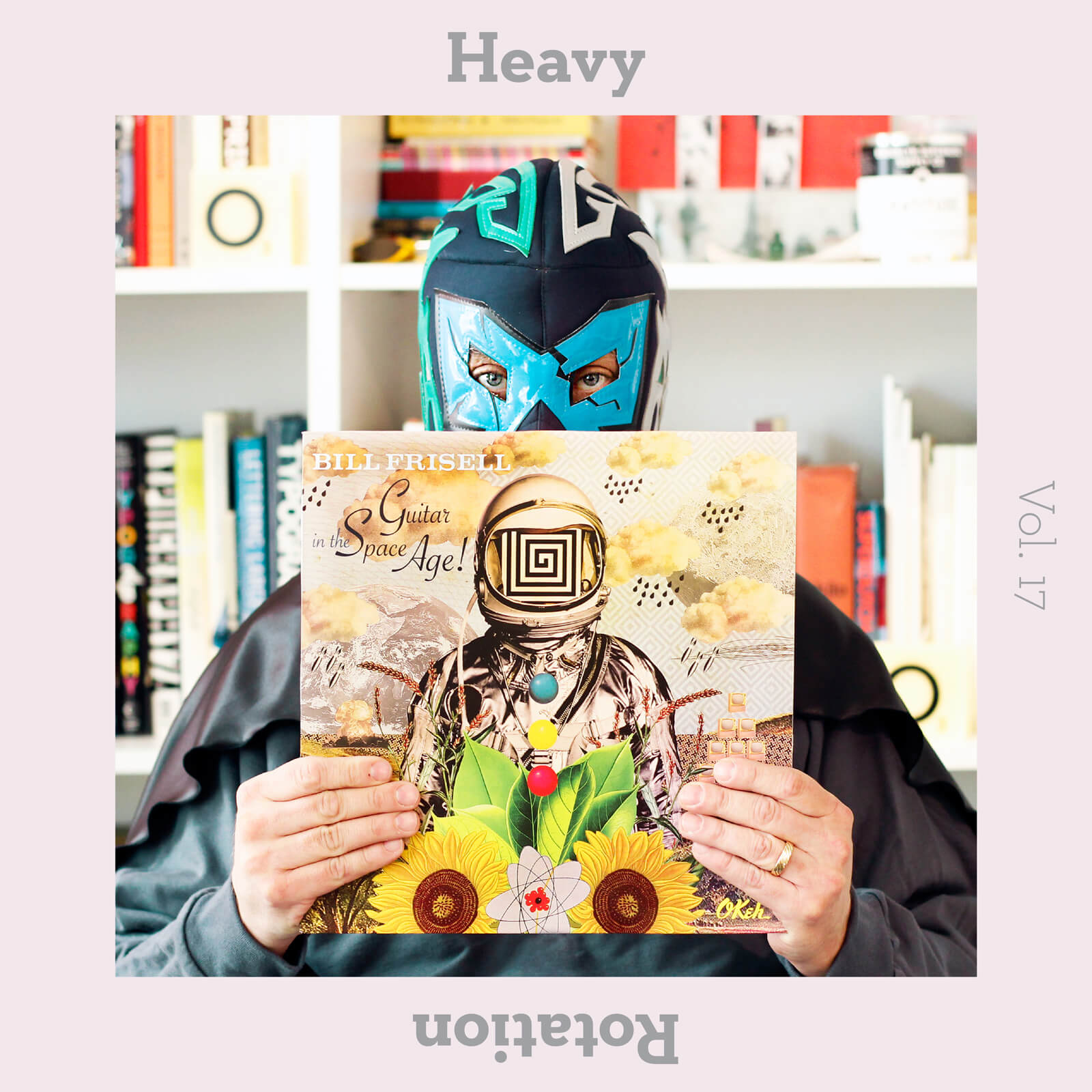
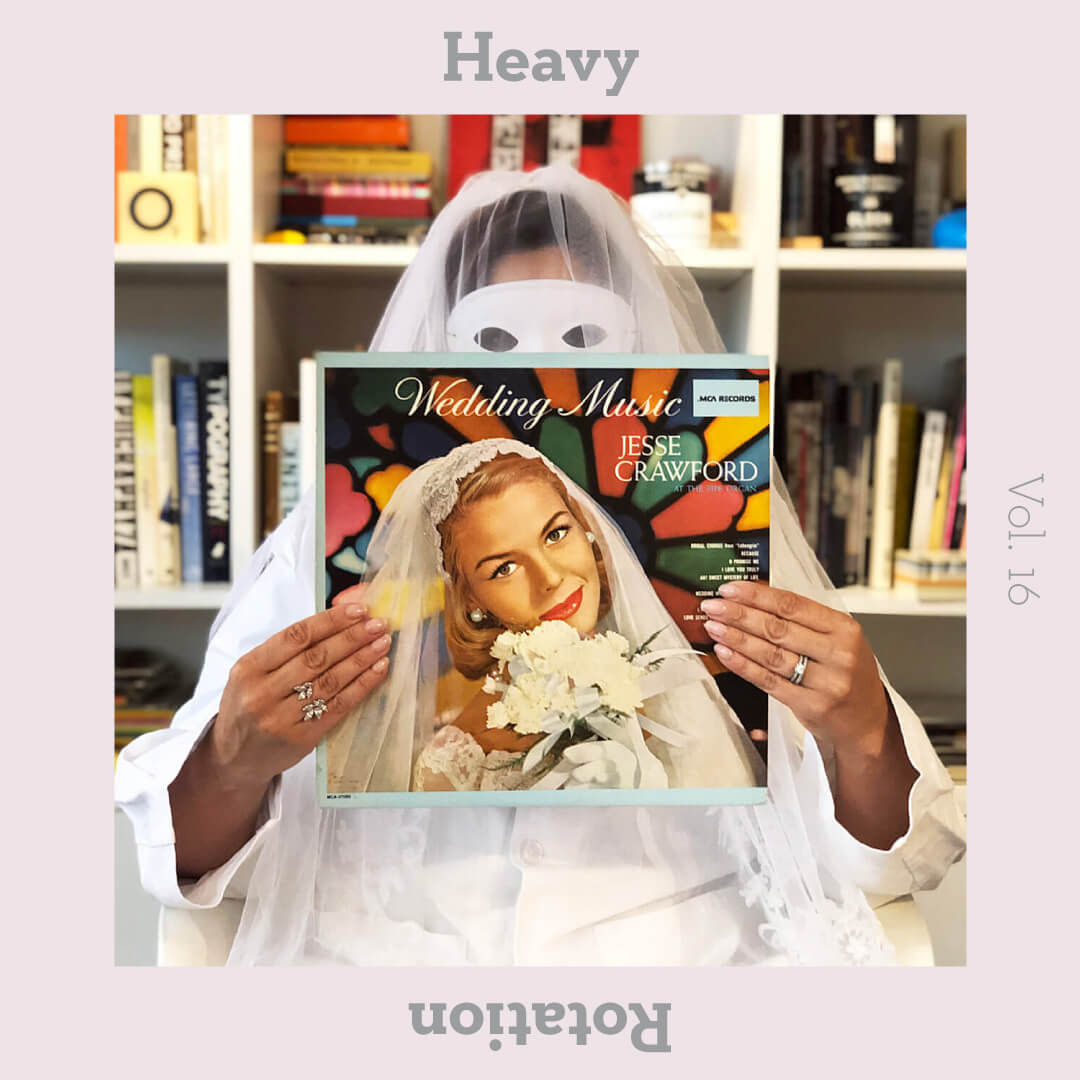
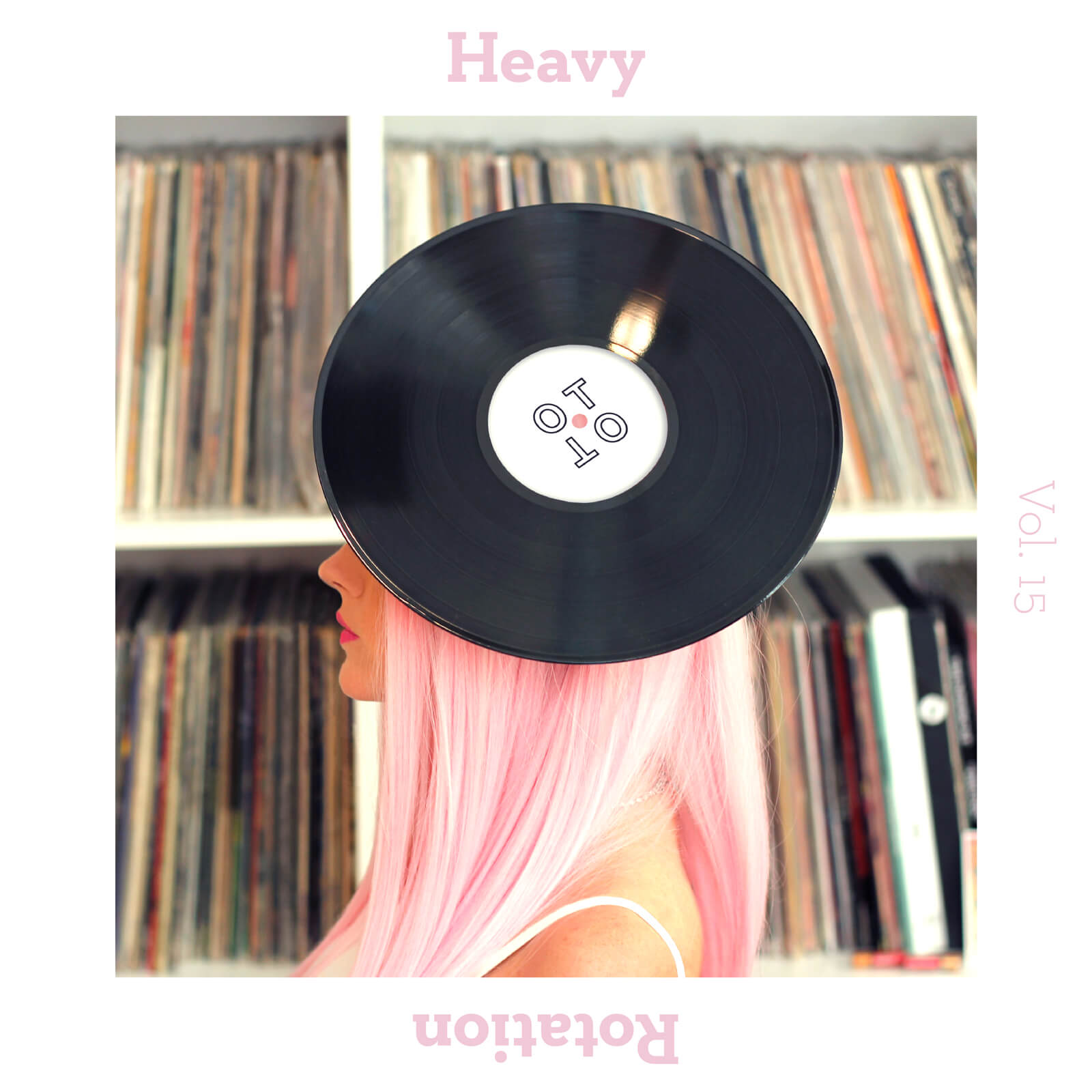
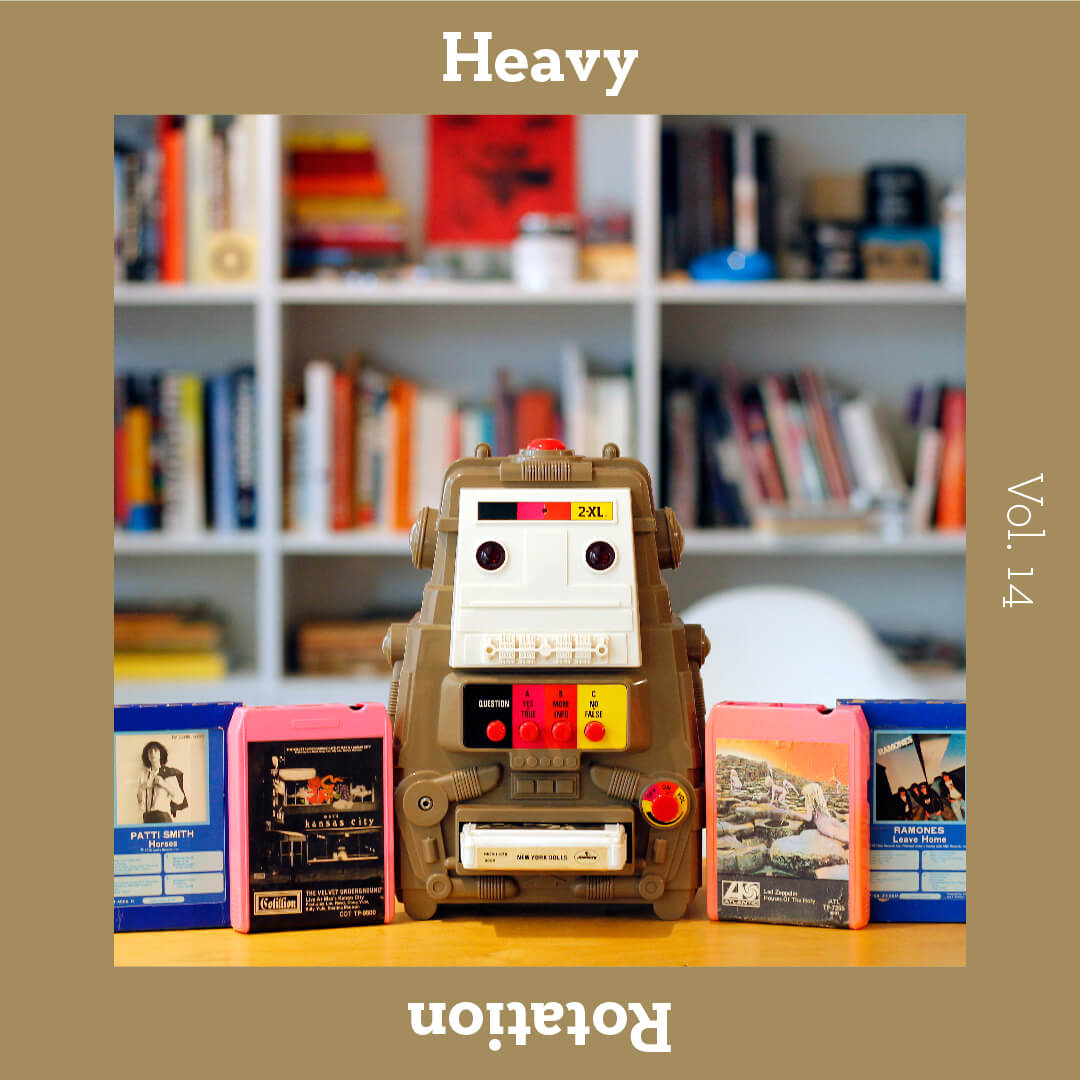

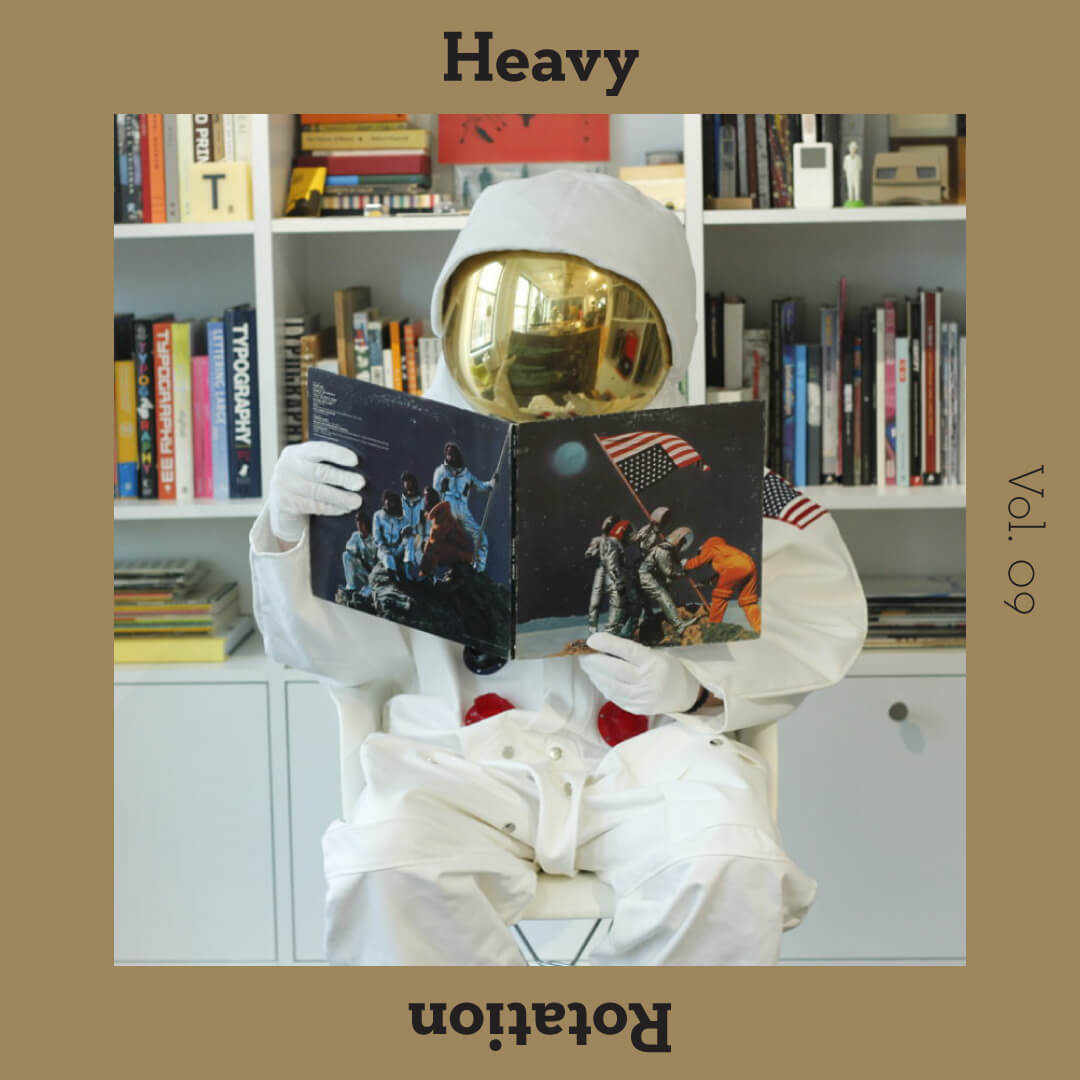
The perfect soul and jazz mix to help you deal with those end of the summer blues.
Tracklist
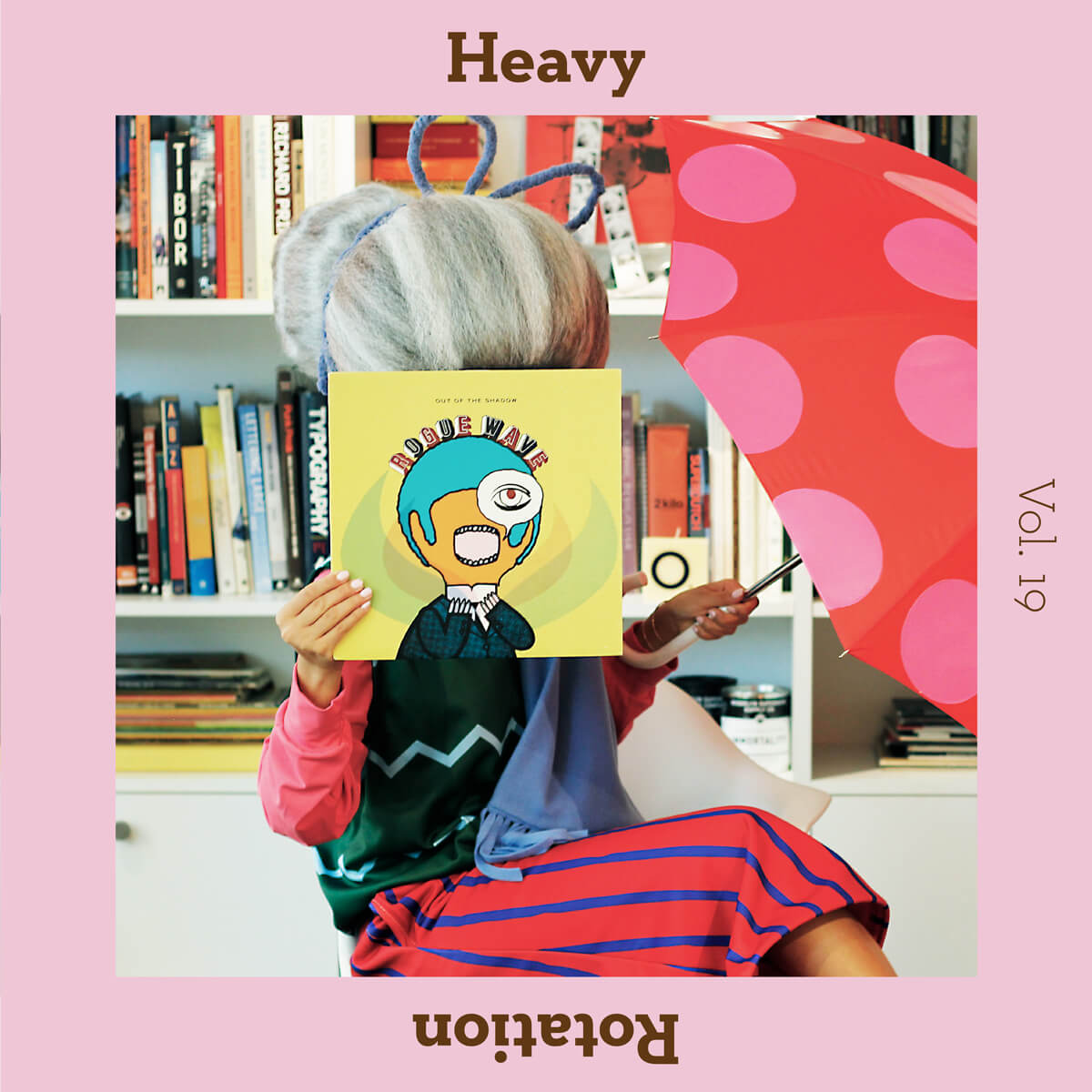
In honor of our San Francisco summer, here's some gloomy dark-wave, with just a sparkle of hopefulness to it. And an ultimate guilty pleasure.
Feeding Tony’s Yacht Rock jones we are featuring a special streaming summer mix.
Featuring:
“whatever you wanna call it… It’s smooth as hell and makes me smile.”
-Shawn Lee
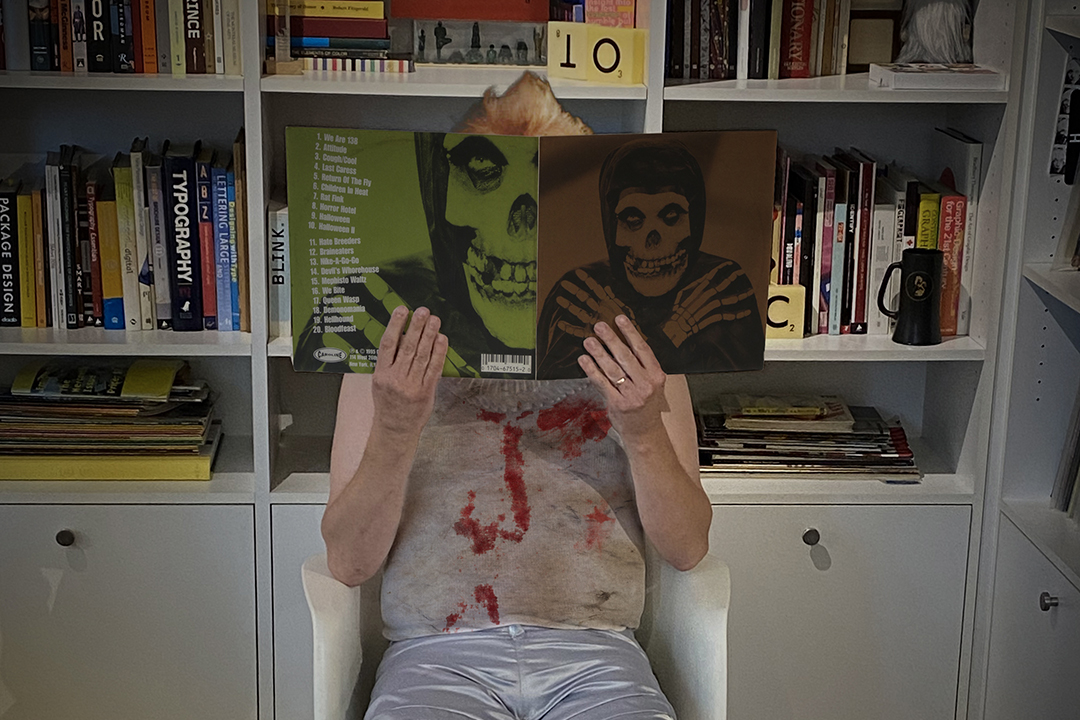
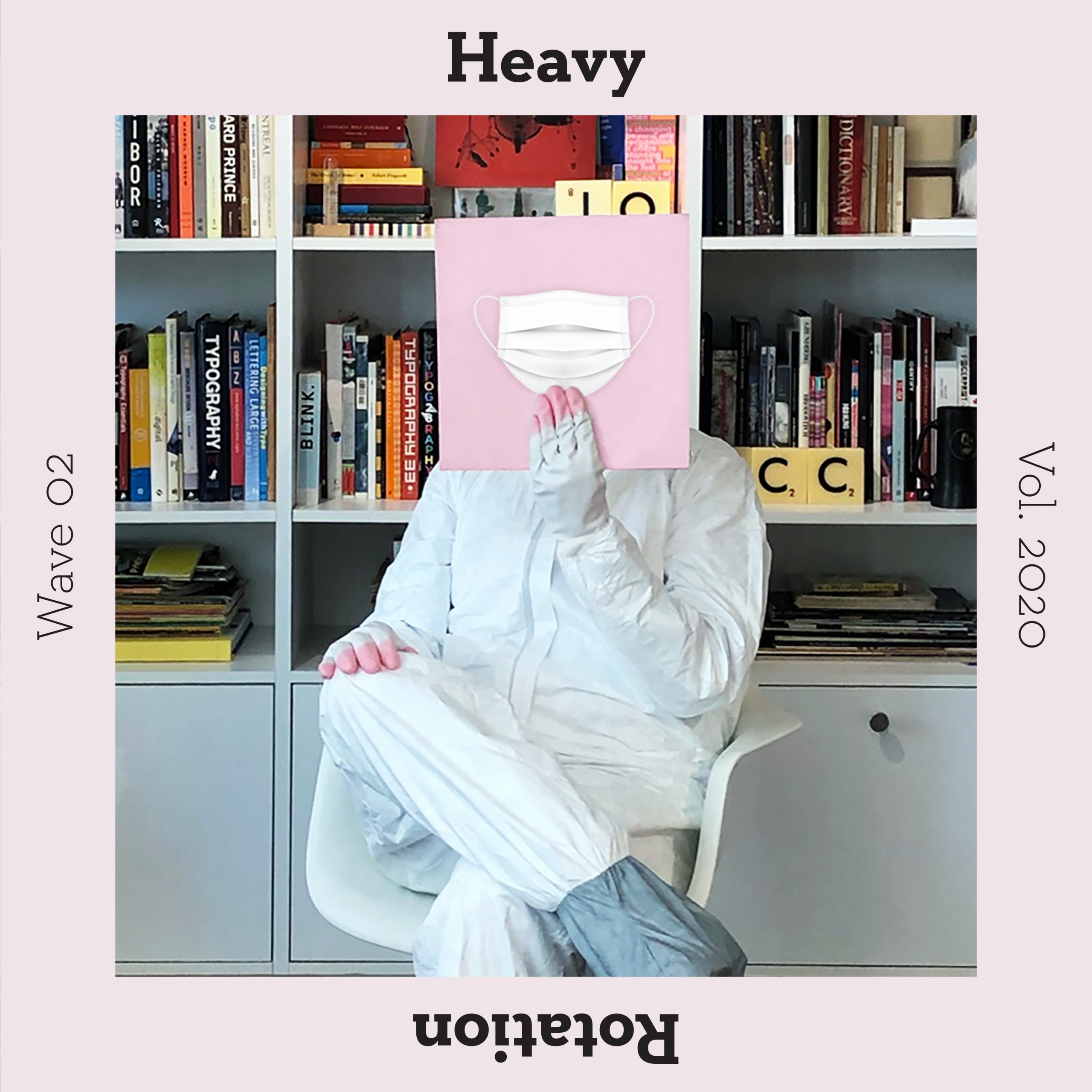
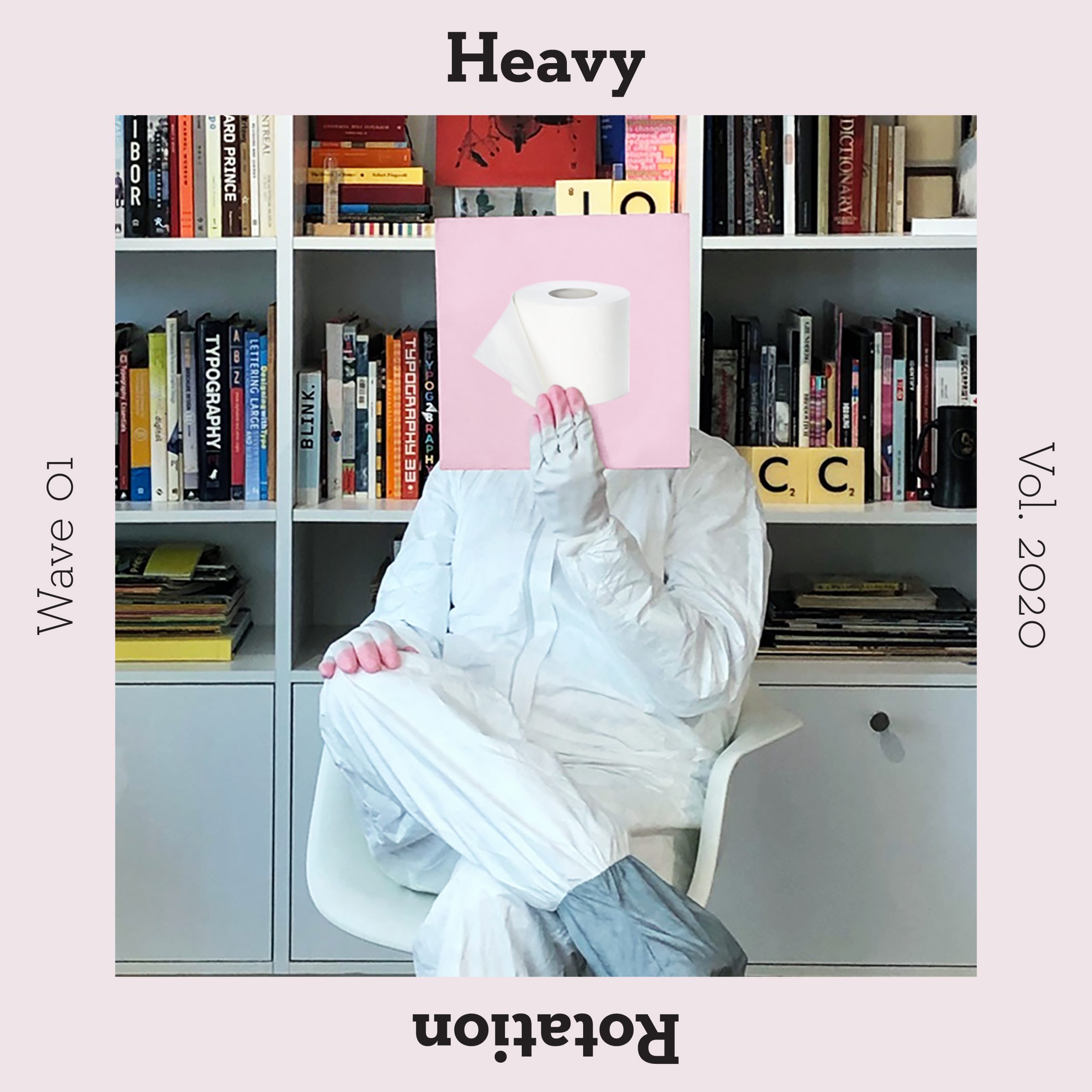
We love our neighborhood block! Thanks to Abracadabra NYC for the rad space suit!
facebook.com/AbracadabraNYC/
instagram.com/abracadabranyc/
twitter.com/NYCABRACADABRA