Even though we use computers so much, we think we absorb everything in more of a cerebral way. We knew that the mind likes to learn physically from our experience working with Posit Science and spending so much time with neuroscientists learning about brain plasticity. In fact, we know that physical learning combined with mental learning is really challenging for the body. Such as, learning to dance. That’s why as you’re getting older, and your brain is aging, doing things like learning a new language can help. But even more so, learning new dances are even better for your brain because it really challenges your mind. Think about it, when you’re learning a dance, you feel like an idiot. You feel like you have no coordination and can’t do anything because that’s how challenging it is for the brain.
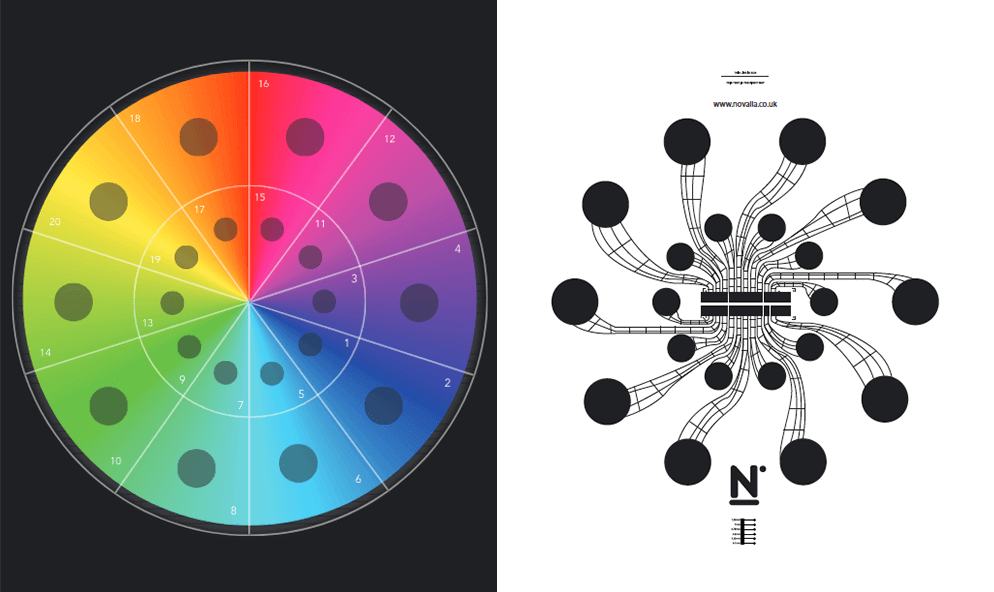
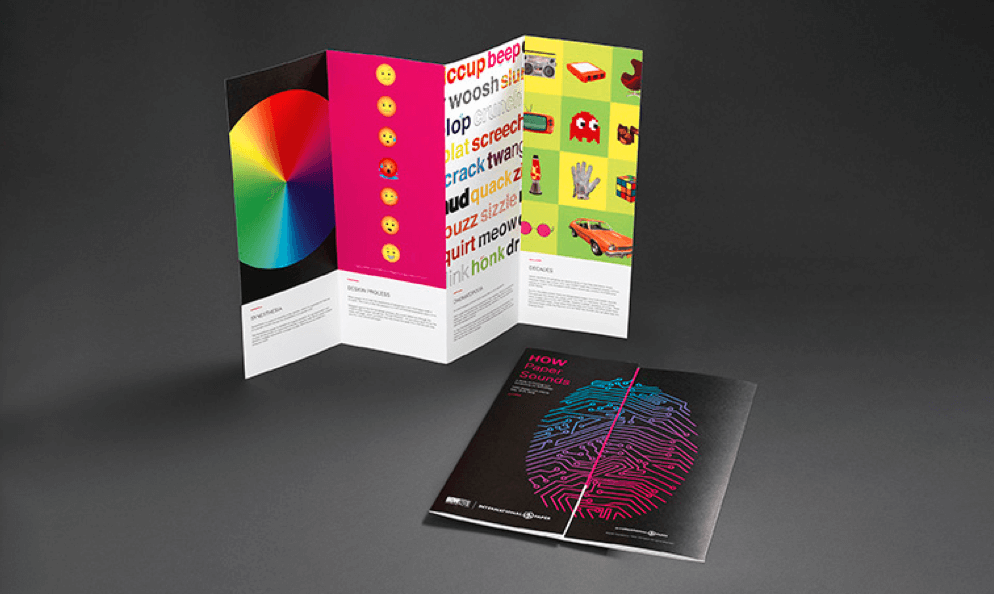
We wanted to make sure that we had concepts that dealt with both physical and mental learning. That’s why we had ideas like synthesia. It’s as much cerebral as it is physical. You’re being physical while trying to play the music, and it was quite a challenge. Like mixing music is just sort of fun. You hit it and it happens. But as you do it, you start to learn how it works. So that engages you in one way. The onomatopoeias, which seem really simple, had sound quality that was so jarring and amazing for people. Hitting those even had an element of surprise. So we tried to incorporate that on all levels. With things like the synthesia and the design process, we wanted to drive it a little bit more cerebrally. We wanted to engage people physical and mentally on all levels.